
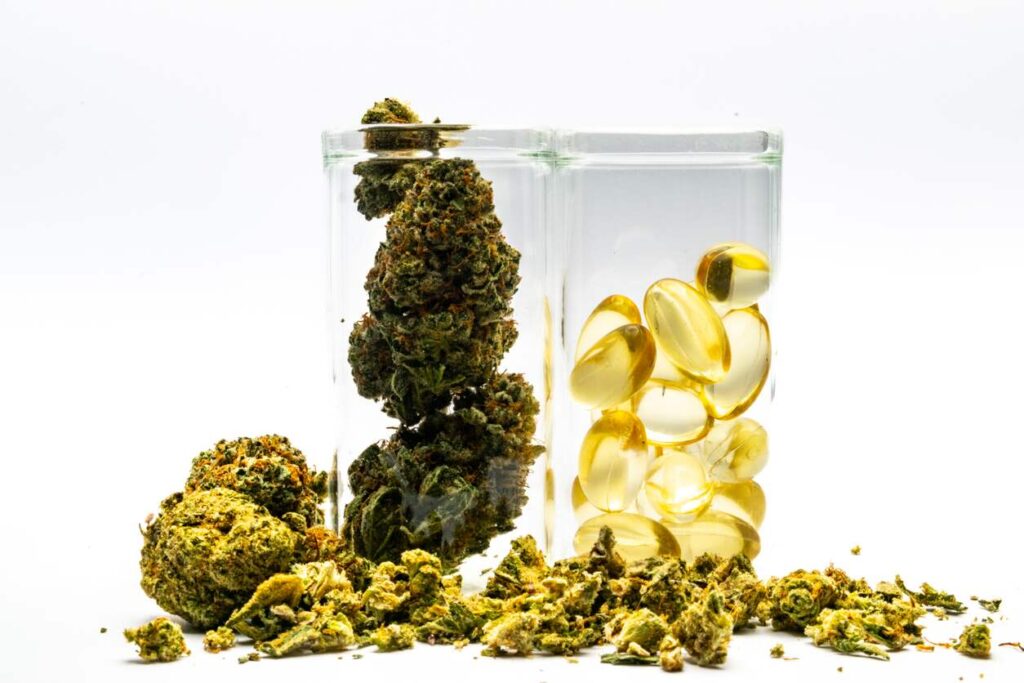
The Short Answer: Microdosing cannabis involves consuming very small, controlled amounts of cannabis to experience its therapeutic benefits without the traditional “high.” By taking doses as low as 1-2.5 mg of THC, users can enjoy subtle effects like reduced anxiety, increased focus, and pain relief, while remaining clear-headed and functional.
In this guide, we’ll explore the science behind microdosing, its potential benefits, risks, and how to do it effectively, helping you make an informed decision about whether microdosing cannabis is right for you.
The Science Behind Microdosing Cannabis
Microdosing cannabis works by interacting with the body’s endocannabinoid system (ECS), a complex network of receptors and neurotransmitters that helps regulate vital functions such as mood, pain, immune response, and even appetite. The ECS plays a crucial role in maintaining balance throughout the body, known as homeostasis.
When cannabis is consumed, its active compounds, primarily THC (tetrahydrocannabinol) and CBD (cannabidiol), bind to cannabinoid receptors found in the brain and throughout the body. These receptors help to modulate various physiological processes, which is why cannabis is known for its potential to reduce pain, ease stress, improve mood, and even improve cognitive function.
Unlike higher doses of cannabis that produce a psychoactive effect, microdosing uses very small amounts of THC, which is enough to activate the ECS without overwhelming it. This allows the user to experience subtle effects, such as improved mental clarity, mood enhancement, and pain relief, without the strong, often sedative feeling that comes with larger doses.
In fact, research suggests that very low doses of THC can have a different effect on the body than larger amounts. Small doses might stimulate areas of the brain responsible for focus and creativity, while large doses may lead to sedation or even anxiety.
The ECS helps the body adjust its responses based on environmental factors, such as stress or injury. Microdosing aims to activate this system gently, allowing for targeted therapeutic benefits like reducing anxiety or supporting mental health without impairing functionality.
Moreover, microdosing is being explored in scientific studies for its potential to support conditions such as chronic pain, neuropathic pain, and cognitive decline, with preliminary findings suggesting that small doses can provide noticeable improvements without the risks associated with higher doses.
Microdosing vs. Regular Dosing
When most people think of cannabis consumption, they picture a higher dose designed to produce a psychoactive effect, the familiar “high” that comes with cannabis use. But microdosing takes a different approach. By using a small amount of cannabis, usually around 1-2.5 mg of THC, microdosing aims to deliver subtle effects that don’t interfere with your daily activities. Whether it’s to relieve chronic pain, enhance mental clarity, or support mental health, microdosing offers therapeutic benefits without the overwhelming feeling that larger doses might cause.
In contrast, higher doses of THC are often used to achieve a stronger, more noticeable effect, such as relaxation, euphoria, or sedation. This is especially common in cannabis edibles or other THC products that aim to induce a more pronounced psychoactive experience.
Benefits of Microdosing Cannabis
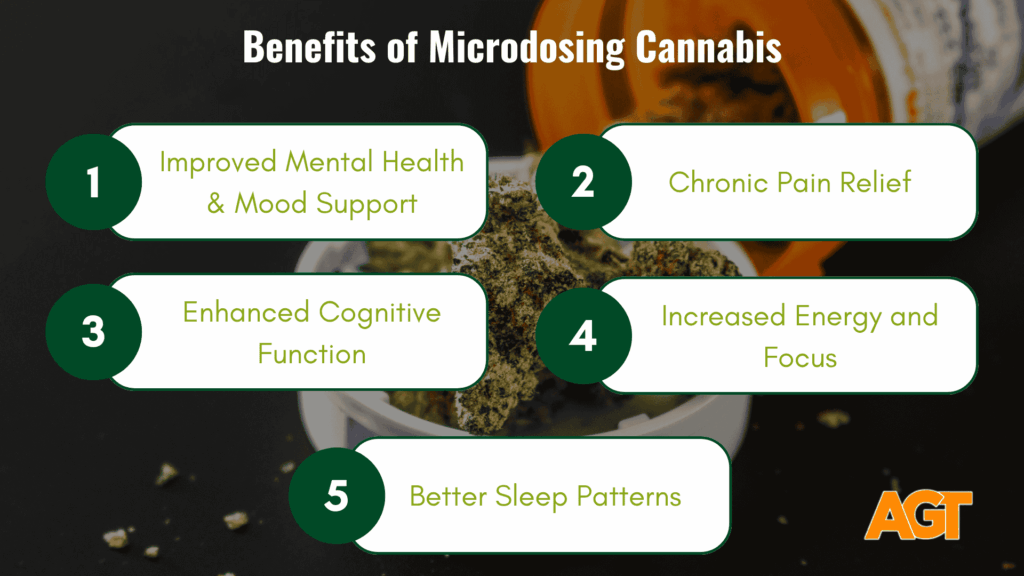
Microdosing cannabis offers several potential benefits, many of which are subtle but significant:
Pain Relief
For individuals managing chronic pain, such as neuropathic pain or arthritis, microdosing might help reduce discomfort without the sedation or impairment that often comes with larger doses. Small amounts of THC could provide relief, allowing for greater activity and focus during the day.
Improved Mental Health
Microdosing has also been explored as a way to support mood regulation, particularly for those dealing with anxiety or depression. By helping to promote balance in the nervous system, microdosing may ease symptoms of anxiety while contributing to overall well-being.
Enhanced Cognitive Function
Microdosing cannabis can enhance mental clarity and improve focus, making it appealing for those who need to stay sharp during their daily tasks. It can be particularly useful for improving productivity or fostering creativity.
Increased Energy and Focus
Unlike traditional cannabis use that may result in sedation, small doses of cannabis might offer an energy boost, particularly for individuals who need to stay focused and energized for work or creative projects. The effectiveness of this can also be heavily affected by the strain being used.
Better Sleep
Though the effects may not be as pronounced as those from larger doses, microdosing may support more consistent sleep patterns, allowing users to fall asleep with greater ease and without the grogginess that can sometimes follow higher doses.
Potential Risks of Microdosing Cannabis
While microdosing cannabis can offer several potential benefits, it’s important to consider the risks as well. Microdosing is generally viewed as a safer option compared to larger doses, but there are still some dangers to keep in mind:
Tolerance and Build-Up
Over time, your body may build a tolerance to cannabis, meaning you might need slightly higher doses to achieve the same effects. While microdosing aims for subtle effects, this tolerance could lead to an increase in dosage, potentially leading to a shift in how the cannabis affects you.
Unpredictable Effects
Cannabis affects everyone differently. While microdosing is intended to avoid a psychoactive “high,” some individuals may still experience mild intoxication, dizziness, or other unwanted side effects. It’s important to start with a very low dose and monitor how your body reacts before committing to larger or shifting dosages.
Interactions with Other Medications
Microdosing cannabis could potentially interact with other medications or supplements, especially those that affect the nervous system or mood. If you’re on prescribed medication, particularly for anxiety, depression, or chronic pain, consult a healthcare professional before starting a microdosing regimen.
Legal Considerations
The legal status of cannabis varies widely by region. In areas where cannabis remains illegal, even microdosing could lead to legal or professional consequences. Be sure to familiarize yourself with the laws in your area before experimenting with cannabis.
How to Microdose Cannabis Effectively
To experience the potential benefits of microdosing, it’s important to start with the right approach. Here are a few important considerations to ensure that you’re microdosing cannabis safely and effectively:
Start Low, Go Slow
When beginning a microdosing regimen, start with the lowest possible dose, usually around 1-2 mg of THC. This allows you to gauge how your body responds to cannabis without overwhelming your system. It’s better and safer to start small and gradually increase the dose if needed rather than risk overconsumption.
Track Your Dosage
It’s crucial to keep track of how much you’re consuming, especially when using cannabis products that don’t provide precise dosing. If you’re using tinctures or edibles, note the milligrams of THC per dose. We recommend keeping a dosage journal (either online or in a physical notebook) that can help you identify the right dosage for your needs.
Choose the Right Products
Select cannabis products that are specifically designed for microdosing when possible, such as pre-dosed edibles, low-dose tinctures, or capsules. These products are designed with this use in mind, making it easier to control your dosage and avoid the risk of overconsumption.
Be Mindful of Timing
Timing is key: take your microdose at a time when you can observe its effects. If you’re looking to improve focus and productivity, try microdosing in the morning. If you need to reduce anxiety or improve sleep, consider taking it in the evening. Always be mindful of the day ahead, as microdosing can make it unsafe to operate motor vehicles or complete other high-risk behaviors.
Monitor Your Responses
Listen to your body and reflect on how the microdosing is affecting you. If you experience any unwanted effects, reduce your dosage or take a break. Everyone’s endocannabinoid system is different, so the ideal microdose will vary from person to person.
Choosing the Right Product for You
When it comes to microdosing, the product you choose can make a big difference in how effectively you achieve your desired results. Different methods of cannabis consumption offer various advantages, depending on your goals. Here’s a breakdown of the most common options for microdosing:
Tinctures
Tinctures are one of the most precise methods for microdosing cannabis. These liquid extracts are absorbed sublingually (under the tongue) for quick effects, and they allow you to control the dosage very accurately. Since tinctures often come in small, measured doses, you can start with a low amount and increase gradually until you find your ideal microdose. They are ideal for people who want precise dosing and faster results, particularly for managing anxiety or pain relief.
Edibles
Cannabis edibles, such as gummies or chocolates, are another popular choice for microdosing. They are pre-dosed, which makes them an easy option for beginners. However, edibles take longer to kick in (typically 30 minutes to 2 hours), so they may not be the best option for those who need fast relief. That said, they’re a great choice for sustained, longer-lasting effects, making them a good fit for enhancing focus or mood throughout the day.
Capsules
Capsules offer another precise way to microdose cannabis, as each capsule is typically pre-dosed with a specific amount of THC or CBD. They are convenient, discreet, and easy to take, but like edibles, they take longer to produce effects, as they need to be digested first. Capsules are ideal for people looking for an easy, no-fuss option for pain relief or mental clarity without the risk of overconsumption.
Vapes
Vaping offers a fast-acting method for microdosing cannabis. Unlike edibles or capsules, vapes deliver immediate effects, which makes them a good option for those who need pain relief or anxiety reduction on the spot. However, the dosing can be less precise compared to tinctures or capsules, so it’s important to use a vape with adjustable settings to control the amount you’re consuming.
Topicals
For localized pain relief, cannabis-infused topicals (like balms or lotions) are ideal for microdosing. While they don’t provide the same psychoactive effects as other methods, they offer targeted relief for sore muscles, joint pain, or inflammation. Topicals are perfect for anyone who prefers a non-psychoactive experience and needs localized pain relief.
Subtle, Therapeutic Benefits With A Greener Today
Microdosing cannabis offers a way to experience the therapeutic benefits of cannabis without the overwhelming effects of higher doses. Whether you’re seeking pain relief, mental clarity, or anxiety reduction, small, controlled doses could help improve your wellness while keeping you functional and clear-headed.
Ready to give microdosing a try? Explore our selection of cannabis products designed for precise dosing, and find the right fit for your wellness journey. Visit A Greener Today to get started.
The information in this article is for educational purposes only and is not intended as medical advice. Research on cannabis terpenes is ongoing, and many of the potential benefits described are based on preliminary or preclinical studies. Individual experiences with cannabis may vary depending on factors such as product type, dosage, and personal biology. Always consult with a healthcare professional before using cannabis products for medical purposes. A Greener Today makes no claims regarding the diagnosis, treatment, cure, or prevention of any disease.