

Terpenes are naturally occurring volatile compounds that can shape the smell and taste of a plant, while playing important ecological roles in their defense. They’ve increasingly been studied for their therapeutic benefits and potential use in medicine, agriculture, and even renewable energy.
Ever wonder why one cannabis strain smells like citrus fruits while another smells like pine or black pepper? Terpenes are the answer – these aromatic compounds define the smell, taste, and, sometimes, the potential effects of cannabis.
More generally, terpenes are organic molecules produced by many plants and are responsible for the scent and flavor profiles of everything from lavender and pine trees to lemons and hops. Beyond their sensory qualities, terpenes may also influence therapeutic benefits, especially when combined with cannabinoids like THC and CBD through what’s known as the entourage effect.
What Are Terpenes?
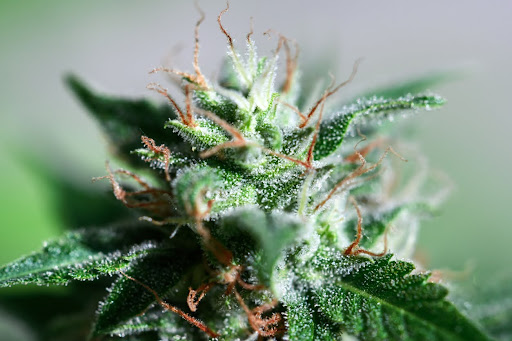
In cannabis, terpenes are synthesized in the same sticky resin glands (trichomes) that create cannabinoids like THC and CBD. While cannabinoids largely determine psychoactive intensity, terpenes shape the smell, taste, and sometimes the effects of a strain. A marijuana plant’s terpene profile is one of the main reasons why two buds can produce completely different effects and profiles.
Each is a chemical compound with its own molecular structure and biological activity. Terpenes, not only in cannabis, are actively being studied for their potential health benefits, ranging from pain relief and anti-inflammatory properties to antidepressant effects.
The takeaway: Terpenes are nature’s way of giving plants a unique aroma while also offering potential health benefits that may enhance the cannabis experience.
Common Terpenes in Cannabis
| Terpene | Aroma / Flavor | Commonly Found In | Potential Effects (Preclinical Research) |
|---|---|---|---|
| Myrcene | Earthy, musky, herbal | Mangoes, hops, thyme | Sedative effect, possible analgesic effect, may support pain relief |
| Limonene | Citrus, bright, fresh | Lemons, oranges, limes | Mood elevation, anti-anxiety properties, antifungal properties |
| Pinene | Fresh pine, resinous | Pine needles, rosemary, basil | Anti-inflammatory properties, may support memory and cognitive function |
| Caryophyllene | Spicy, woody, peppery | Black pepper, cloves, oregano | Interacts with CB₂ receptors, may aid with stress, chronic pain, inflammation |
| Linalool | Floral, lavender-like | Lavender, mint, cinnamon | Sedative effect, calming, antidepressant effects, antifungal properties |
| Humulene | Earthy, woody, slightly bitter | Hops, coriander, basil | Anti-inflammatory properties, appetite suppression, possible antifungal |
| Terpinolene | Piney, floral, herbal | Lilacs, nutmeg, apples | Sedative properties, antioxidant activity, possible anti-anxiety |
| Ocimene | Sweet, herbal, citrusy | Mint, parsley, orchids | Antifungal, anti-inflammatory, may contribute to decongestant-like effects |
| Bisabolol | Floral, sweet, chamomile-like | Chamomile, Candeia tree | Anti-inflammatory, antioxidant, soothing for skin |
| Valencene | Sweet, citrus, tangy | Valencia oranges | Insect-repelling properties, possible anti-inflammatory benefits |
Cannabis contains over 100-200+ identified terpenes, though only a handful appear in large amounts. Each has a distinct scent, flavor, and potential effect. Much of terpene research is preclinical (animal/in vitro studies), with limited human trials. Here are some of the most well-understood cannabis-derived terpenes:
Myrcene
- Aroma: Earthy, musky, herbal.
- Found in: Mangoes, hops, thyme.
- Potential effects: Anecdotally known for its sedative effect and sedative properties. It’s common among indica strains and may contribute to an analgesic effect and support pain relief.
Myrcene is the heavyweight champion of marijuana terpenes. It’s a terpene found in a lot of cannabis strains, giving them an earthy, musky aroma that some describe as similar to cloves or cardamom. If you’ve heard someone say a particular strain made them feel deeply relaxed or sleepy, myrcene may have played a role in that – early research suggests potential sedative properties and contributions to pain relief.
Limonene
- Aroma: Bright, citrus fruits.
- Found in: Lemon rinds, oranges, other citrus.
- Potential effects: May uplift mood, improve cognitive function, and provide anti-anxiety properties. Research also suggests possible antifungal properties.
Limonene brings the brightness and the tangy punch you smell in certain strains. As you might guess from the name, it’s common in citrus fruits like lemons, oranges, and grapefruits. It’s also associated with mood elevation and anti-anxiety properties. Many people find strains rich in this terpene energizing and mentally refreshing, making it a popular choice for daytime use.
Pinene
- Aroma: Fresh pine
- Found in: Rosemary, basil, dill.
- Potential effects: May improve alertness and memory while supporting the immune system. Studies suggest anti-inflammatory properties that could aid with respiratory function.
Pinene smells exactly how it sounds – like fresh pine needles. It’s the most common terpene in the natural world, found in conifer trees, rosemary, basil, and parsley. There are two forms: alpha-pinene (sharp pine scent) and beta-pinene (rosemary, basil notes). Pinene is thought to support cognitive function and alertness, potentially counteracting some of the memory effects associated with THC. It may also have anti-inflammatory properties.
Caryophyllene
- Aroma: Spicy, woody – like black pepper and cloves.
- Unique feature: The only terpene known to directly interact with cannabinoid receptors (CB₂).
- Potential effects: May provide therapeutic benefits for chronic pain and stress, offering both a therapeutic effect and a potential benefit beyond aroma alone.
Caryophyllene (specifically beta-caryophyllene, or β-caryophyllene) adds musky notes and gives some strains their flavor profiles. You’ll find this terpene in black pepper, cinnamon, cloves, and oregano. It’s the only cannabis terpene known to interact with the CB₂ receptor in our endocannabinoid system, meaning it may offer pain relief and anti-inflammatory properties similar to cannabinoids themselves.
Linalool
- Aroma: Floral, lavender-like.
- Potential effects: Often linked to relaxation, antidepressant effects, and soothing qualities. Some studies suggest antifungal properties as well.
Linalool offers a floral, lavender-like scent that’s calming to many people. It appears in lavender, mint, cinnamon, and certain cannabis strains. Like myrcene, linalool is associated with a sedative effect and anti-anxiety properties, making it a common feature in strains people use for stress relief and relaxation. Its therapeutic benefits have been recognized in aromatherapy for centuries.
Humulene
- Aroma: Earthy, woody, slightly bitter.
- Found in: Hops, coriander, basil.
- Potential effects: May help reduce inflammation and regulate appetite, contributing to therapeutic benefits in some cannabis strains.
Humulene rounds out our list with earthy, woody notes and a subtly spicy finish. Often seen as a secondary terpene in cannabis, humulene is commonly found in hops (which gives beer its distinctive flavor), coriander, and ginseng. Unlike many cannabis compounds that might increase appetite, humulene may actually act as an appetite suppressant. It’s also being studied for antifungal properties and potential health benefits related to inflammation.
Secondary Terpenes
In addition to these major terpenes, cannabis also produces secondary terpenes like terpinolene, ocimene, and bisabolol. While they appear in smaller amounts, they still influence the overall aroma and specific effects of a cannabis strain.
Why this matters: By combining different types of terpenes in varying amounts, the marijuana plant seems to develop a complex chemical fingerprint that not only affects how it smells and tastes but also how it may make you feel.
Terpenes and the Entourage Effect: Better Together
Here’s where things get interesting – yes terpenes give off nice aromas, but they’re also interacting with cannabinoids and other compounds that directly influence your experience. This synergy is called the entourage effect, and it’s changing how we understand cannabis.
The entourage effect suggests that cannabis-derived terpenes, cannabinoids, and other compounds work better together than any single component works alone – meaning terpenes may enhance, modify, or balance the effects of THC and CBD in your body by influencing how these cannabinoids interact with your system.
Scientists are still working to understand exactly how the effect works, but evidence suggests terpenes may influence how cannabinoids cross the blood-brain barrier, how they bind to receptors, and how long they remain active in your system. The therapeutic effect you experience from any cannabis product depends on this complex interplay between all its components, not just the THC or CBD content.
This is why many cannabis experts recommend choosing products based on their full terpene profile rather than cannabinoid percentages alone. The potential benefits you’re seeking, whether pain relief, relaxation, focus, or energy, may depend as much on which terpenes are present as on how much THC the product contains.
Classifying Strains and Predicting Effects
For a long time, cannabis was divided into cannabis sativa, cannabis indica, or hybrids. The old idea was simple: A sativa strain is uplifting, while indica strains are relaxing – but modern science shows it’s not that clear-cut.
A strain’s terpene profile might tell you more about its potential effects than whether it’s labeled indica or sativa.
In Use
A strain high in THC and myrcene might produce a stronger sedative effect than THC alone would create. Meanwhile, pinene may help maintain mental clarity even when THC is present, while linalool and limonene together might offer better mood support than either would individually. Terpene profiles are why two cannabis strains with identical THC percentages can feel completely different.
How to Explore Terpenes Yourself
If you’re curious about terpenes, here are a few ways to get started:
- Smell the flower. The unique aroma you notice often points to the dominant terpenes in a strain.
- Check lab reports. Many dispensaries, including A Greener Today, offer terpene breakdowns so you can see exactly what’s inside.
- Notice the parallels. Many terpenes in cannabis also show up in common plants and foods, from citrus fruits to pine needles.
- Track your experiences. Keep a journal of strains you try, their terpene profiles, and the specific effects you feel. Over time, you’ll see which cannabis-derived terpenes line up with the therapeutic benefits you’re looking for.
- Experiment with intention. Choose cannabis based on its terpenes, not just its THC content, to find the potential benefits that matter to you, whether that’s energy, relaxation, or help with chronic pain.
Start Your Journey with a Visit to A Greener Today
The effects you experience when using cannabis depends on an interaction of compounds, not any one alone. Whether you’re seeking the sedative properties of myrcene for better sleep, the uplifting effects of limonene for your mood, or the pain-relieving potential of caryophyllene, knowing just a little bit about terpenes helps you find what may work for your needs.
Visit A Greener Today in Washington to explore our selection of terpene-rich products and discover how understanding these compounds can transform your cannabis journey. Our team is ready to help you learn even more about terpene profiles and find the perfect match for your desired effects!
The information in this article is for educational purposes only and is not intended as medical advice. Research on cannabis terpenes is ongoing, and many of the potential benefits described are based on preliminary or preclinical studies. Individual experiences with cannabis may vary depending on factors such as product type, dosage, and personal biology. Always consult with a healthcare professional before using cannabis products for medical purposes. A Greener Today makes no claims regarding the diagnosis, treatment, cure, or prevention of any disease.