

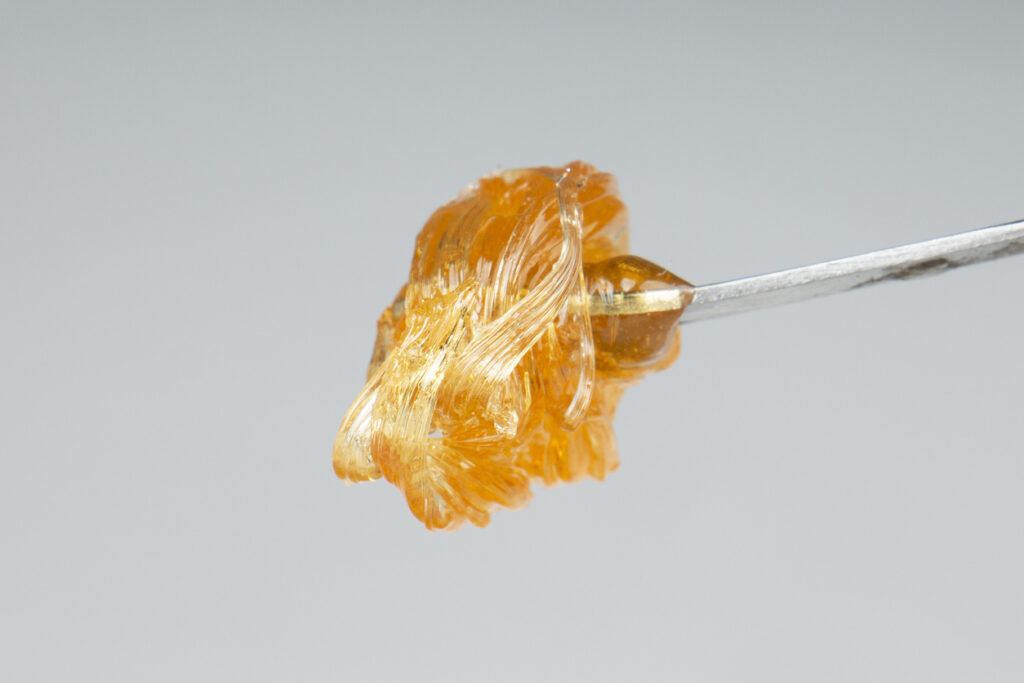
Live resin is created using solvents like hydrocarbons or even carbon dioxide, while live rosin is made with a solventless extraction process that presses hash into oil. Both preserve the plant’s terpene profile and cannabinoid content, but they get there through very different extraction methods.
Cannabis concentrates have become a favorite way for people to enjoy the plant’s most flavorful and potent effects. Among the many types available, two names stand out: live resin and live rosin. They sound similar, and both come from the cannabis plant, but the way they’re made and the experience they deliver differ a good bit.
Breaking each type down makes it easier to understand their key differences. It’s important to note that one isn’t automatically “better” than the other. Instead, the choice comes down to personal preference, your taste, and the experience you’re looking for.
The Extraction Process: Solvent-Based vs. Solventless
Solvent-Based Extraction = Live Resin
Live resin also begins with fresh frozen cannabis. Freezing the freshly harvested cannabis plant right after harvest preserves its terpene profile, cannabinoid profile, and other delicate compounds that might otherwise be lost in a traditional curing process or from exposure to direct sunlight.
Instead of turning the frozen material into bubble hash and pressing it like with live rosin, processors move the frozen cannabis buds directly into a solvent-based extraction process. Using hydrocarbons or carbon dioxide, they dissolve the trichomes and collect the oils, producing live resin.
This extraction technique captures cannabinoids and terpenes directly, producing a cannabis extract known for its vivid flavor profile, versatile textures, high potency and strong entourage effect.
Step-by-Step to Live Resin Extraction
- Harvest and freeze fresh cannabis flowers (often flash-frozen cannabis) to preserve terpenes.
- Run a solvent – a hydrocarbon like butane or propane, or occasionally carbon dioxide, through the frozen plant material in a closed-loop system.
- Separate and filter the solution to remove unwanted waxes and lipids.
- Purge solvents under vacuum to create a safe, clean cannabis extract.
- Guide post-processing into different textures: “sugar,” “badder,” “sauce,” or diamonds.
The main difference is that live resin uses solvents, while live rosin does not. Both methods aim to protect the terpene profile and deliver high potency, but they appeal to different tastes and preferences among cannabis consumers.
Solventless Extraction = Live Rosin
To understand live rosin, you first need to know about ice water hash, also called bubble hash. This process often starts with fresh frozen cannabis (sometimes cured cannabis flower) placed into ice water and agitated. The cold temps make trichome heads brittle, allowing them to break off from the plant material.
These trichomes, the source of cannabinoids and terpenes, are collected using micron filter bags, producing a sandy material known as bubble hash. When made from fresh frozen cannabis, it’s called live bubble hash and when made from cured cannabis, it’s standard bubble hash.
From there, processors load this material into filter bags and press it under controlled heat and pressure with a rosin press. The result is live rosin, a solventless cannabis concentrate that reflects the natural cannabinoid content and terpene profile of the original flower. Live rosin is valued by cannabis enthusiasts for its solventless extraction process and high purity.
Step-by-Step to Live Rosin Extraction
- Harvest fresh frozen cannabis (or cured cannabis flower).
- Wash in ice water and agitate.
- Filter with micron bags to capture cannabis resin.
- Collect and dry the hash.
- Press hash with heat and pressure in a rosin press for live rosin.
- Optional curing methods like whipping or cold curing refine the final product.
This production process highlights solventless extraction, resulting in rosin products that preserve delicate terpenes and a full-spectrum profile.
| Feature | Live Resin | Live Rosin |
|---|---|---|
| Starting Material | Fresh frozen cannabis | Fresh frozen cannabis processed into bubble hash |
| Extraction Method | Solvent-based; Hydrocarbon (i.e., butane or propane) or CO₂ closed-loop system | Solventless; Ice water agitation, micron filter bags, and rosin press (heat and pressure) |
| Texture Options | Sugar, sauce, badder, diamonds | Creamy badder, cold cure, whipped |
| Flavor Profile | Bold, “loud,” strain-forward (citrus, gas, fruit notes) | Nuanced, hashy/earthy, described as artisanal |
| Effects | Fast-acting, strong, intense | Smooth, layered, “full-bodied” |
| Potency | High potency; often slightly higher THC % from solvent efficiency | High potency; retains subtle compounds from trichomes |
| Consumer Appeal | Popular with everyday users seeking strong flavor, effects, and value | Favored by users who prefer or have interest in the solventless craft |
*Note this general comparison is for educational purposes only. Product specifications, potency, and characteristics may vary by manufacturer.
Consistency, Texture, and Final Product
One of the most noticeable differences between live resin and live rosin is texture, though both can be finished into similar consistencies.
- Live resin: Often produced as sugar, sauce, or badder. Because of the solvent-based extraction technique, processors can guide the final product into a wide range of consistencies. It’s versatile, easy to use with a dab rig, and widely available as a cannabis product.
- Live rosin: Typically softer and creamier straight off the press, but it can also be worked into badder-like textures through whipping or cold curing. Many users value this handcrafted feel, especially small-batch rosin products.
In both cases, factors like the curing process, starting plant material, and subtle differences in the production process influence the unique characteristics of the concentrate.
Flavor, Aroma, and Effects
Flavor Profile
The flavor profile of both live resin and live rosin comes from their shared foundation of fresh frozen cannabis and fresh cannabis flowers, but the extraction style changes how those flavors present.
- Live resin: Because solvent extraction captures a wide terpene profile alongside cannabinoids, the result is often described by users as loud, punchy, and strain-forward. Users often say resin hits the palate with bright notes of citrus, gas, fruit, or candy that reflect the original cannabis flower in a bold way. The intensity makes resin popular with everyday consumers who want flavor that jumps out of the jar.
- Live rosin: As a solventless concentrate, rosin has a different profile. Consumers often call it “truer to the plant,” with layered flavors that feel closer to the taste of actual cannabis flower. Instead of resin’s sharpness, rosin tends to show more earthy, floral, or hashy undertones which many describe as more “complex” and “artisanal”.
The Entourage Effect
Both concentrates benefit from the entourage effect, where terpenes and cannabinoids work together to shape the overall experience. Live resin’s broad-spectrum pull gives it a reputation for fast-acting effects while live rosin is praised for a “full-bodied” experience that feels smoother on the inhale while still delivering strong, layered effects.
Many users describe these concentrates as high potency, delivering a fuller experience than distillates or other extracts. For the cannabis connoisseur, the subtle differences in compounds or profile may guide their choice.
Cannabinoid Profile & Potency
Differences in cannabinoid profile, THC levels, and THC content between resin and rosin are generally slight but may be noticeable to a regular user. Resin often tests with slightly higher cannabinoid percentages because of solvent efficiency, while rosin may carry more of the subtle cannabis compounds from the trichome heads themselves. For many users, it’s less about lab numbers and more about how the effects feel.
Full-Spectrum Experience & Storage
Both products are considered full-spectrum profile concentrates, known for how they capture the character of a strain. But they’re delicate: exposure to heat or direct sunlight can cause terpene loss and oxidation, muting both aroma and flavor. Storing them sealed, cold, and dark helps maintain the freshness and ensures you get the flavor profile and potent effects the extractor intended.
Which One Is Right for You?
Choosing between live resin and live rosin comes down to personal preference and what you value most in a concentrate.
- Pick live resin if: you want something more accessible, affordable, and widely available on dispensary shelves. Its extraction process produces consistently high potency, bold flavor profiles, and a variety of consistencies (sugar, sauce, badder) that load easily onto a dab rig. Many cannabis consumers like resin because it delivers that “loud” terpene punch at a price point that fits daily use.
- Pick live rosin if: you’re drawn to the craft side of cannabis. As a solventless cannabis concentrate pressed from live bubble hash, rosin has a reputation for being cleaner, smoother, and more nuanced. It costs more and is often made in smaller batches, but for a cannabis connoisseur looking for subtle depth and an artisanal touch, rosin’s unique characteristics make it worth the premium.
Neither is “better” – they’re just different ways of experiencing cannabis. Your choice may come down to budget, availability, or just what kind of flavor profile and effects you enjoy most.
Explore Live Resin and Live Rosin at A Greener Today
At A Greener Today Marijuana, we carry a wide range of live resin and live rosin products so you can browse options yourself, or have our team help find the one for you. Stop by one of our dispensaries to explore, ask questions, and find your next favorite concentrate.
This article is for educational purposes only and is not intended as medical or legal advice. Potency, flavor, and consistency of cannabis concentrates like live resin and live rosin can vary depending on the manufacturer, strain, and extraction process. Always purchase cannabis products from licensed retailers and consult a medical professional if you have questions about cannabis use.