
For years, cannabis lovers have split their choices into three main categories: indica, sativa, and hybrid. But in today’s market, that simple breakdown doesn’t tell the whole story. Most cannabis strains are actually hybrids, and what really shapes your experience goes beyond just the label. From terpene profiles to growing conditions, there’s a lot that affects how cannabis makes you feel.
Whether you’re searching for the right strain to ease chronic pain or just want something mellow for recreational purposes, this guide will help you understand what matters most when comparing different cannabis strains.
The Basics: What Are Indica, Sativa, and Hybrid Cannabis Strains?
Let’s start with the basics. There are three main types of cannabis: Cannabis indica, Cannabis sativa, and Cannabis ruderalis (less common in recreational use but plays a key role in autoflowering strains due to its fast growth cycle). Each has its own characteristics, but modern strains are almost always bred from multiple types (aka hybrids).
| Category | Indica | Sativa | Hybrid |
|---|---|---|---|
| Scientific Name | Cannabis indica | Cannabis sativa | Crossbreed of indica and sativa (most common!) |
| Plant Appearance | Short & bushy with broad leaves | Tall & slender with narrow leaves | Varies depending on dominant genetics |
| Associated Effects | Relaxing, body-heavy, sedative effect | Uplifting, cerebral, creative | A mix of both – balanced or targeted effects |
| Commonly Chosen for | chronic pain*, sleep support,* muscle spasms* | Energy, focus, social situations | Depends on ratio (e.g. 60/40, 50/50 blends) |
| CBD/THC Ratio | Often has higher CBD content | Often higher in THC content | Customized cannabinoid content |
| Strain Examples | Northern Lights, Granddaddy Purple | Sour Diesel, Jack Herer | Blue Dream, Girl Scout Cookies |
* Some users report using cannabis to help with these issues, but cannabis is not an FDA-approved treatment and individual experiences vary.
Indica Strains
These historically come from regions in Central Asia. These plants are short and bushy with broad leaves. The indica plant is often associated with full-body relaxation, a sedative effect, and is commonly used to help with muscle spasms and sleep.
Sativa Strains
These originate from places like Southeast Asia. Sativa is a tall plant with narrow leaves and is known for producing more uplifting and energetic effects. Many people choose sativa when looking for creativity or a social boost.
Hybrid Strains
Hybrids are a mix of both indica and sativa. They can lean sativa-dominant, indica-dominant, or be balanced (like 50/50 or 60/40). These hybrid cannabis strains offer the best of both worlds, or very targeted effects based on their genetic makeup.
In Historical Context
The classification of these plants dates back to Species Plantarum, where early scientists used physical traits to group cannabis varieties. But in reality, how a strain makes you feel depends more on its chemical compounds than its shape or origin.
Most Weed Is a Hybrid – Here’s Why That Matters
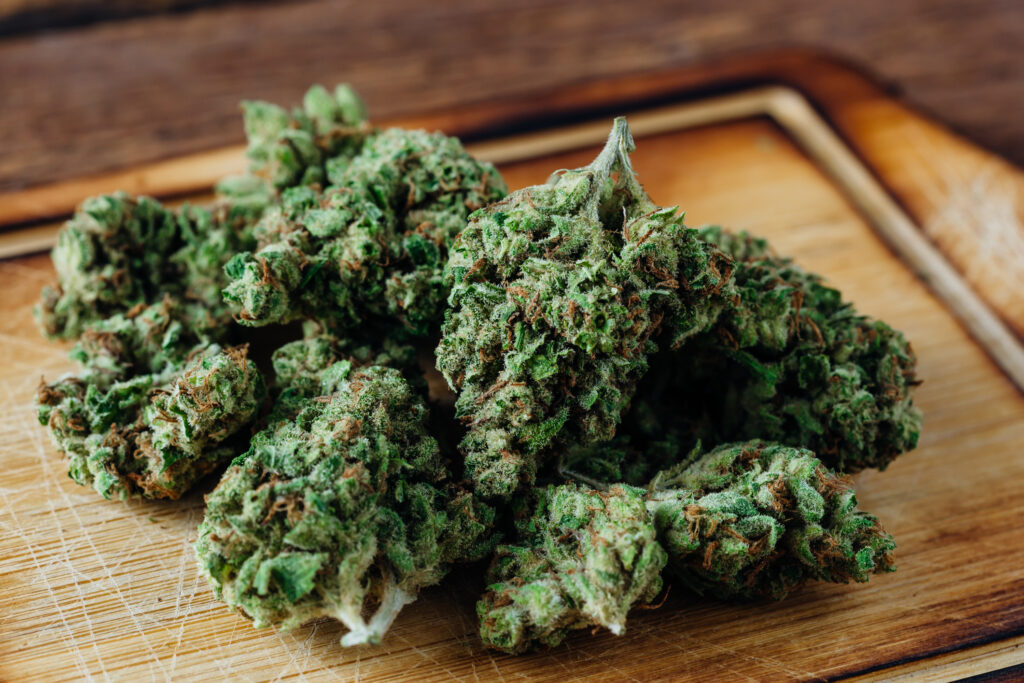
If you walk into a dispensary today, nearly every product is a hybrid.
Why? Because growers have spent decades crossbreeding plants to create strains with specific cannabinoid content, higher CBD content, and unique terpene profiles.
Landrace strains – those original, wild varieties, are rare these days. Instead, breeders have created hybrids like Northern Lights (an indica-dominant hybrid) to deliver predictable effects for both recreational purposes and managing medical conditions.
Landrace strains are naturally occurring cannabis varieties that have adapted to specific geographic regions over centuries, like Afghan Kush or Durban Poison.
You’ll often see strains labeled as “70/30 indica” or “60/40 sativa.” This gives you an idea of the dominant side of the hybrid, but it doesn’t tell the full story. A hybrid cannabis product might have a mix of indica and sativa lineage, but its actual effects come from a complex mix of cannabinoid profile, terpene content, and more.
So, while a strain may lean indica, it might still have energizing properties depending on how it was bred, and vice versa.
Why the Effects of a Strain Go Beyond Indica or Sativa
If you’ve ever tried the same strain twice and felt different results, you’re not imagining things. That’s because a strain’s name or type isn’t always enough to predict how it’ll affect you.
Instead, pay attention to the terpene profile, cannabinoid content, and the overall chemical compounds that create what’s known as the entourage effect. This effect explains how compounds like THC (tetrahydrocannabinol), CBD (cannabidiol), and aromatic compounds (terpenes) work together to produce the final feeling, whether that’s euphoria, calm, or a sedative effect.
The entourage effect is when all the parts of the cannabis plant, like THC, CBD, and terpenes, work together to create stronger or more balanced effects than they would alone. It’s why two strains with the same THC level can feel totally different.
Some popular terpenes include:
These contribute to whether a strain provides pain relief, energy, or helps manage a specific medical condition. Two strains can have the same THC level but feel completely different based on their terpene content.
This also explains why one person may find a hybrid strain soothing, while another might feel anxious. It’s all about how your body interacts with the cannabinoid profile and terpene profile of the product.
Environment Matters: Indoor vs Outdoor and How It Affects Your High
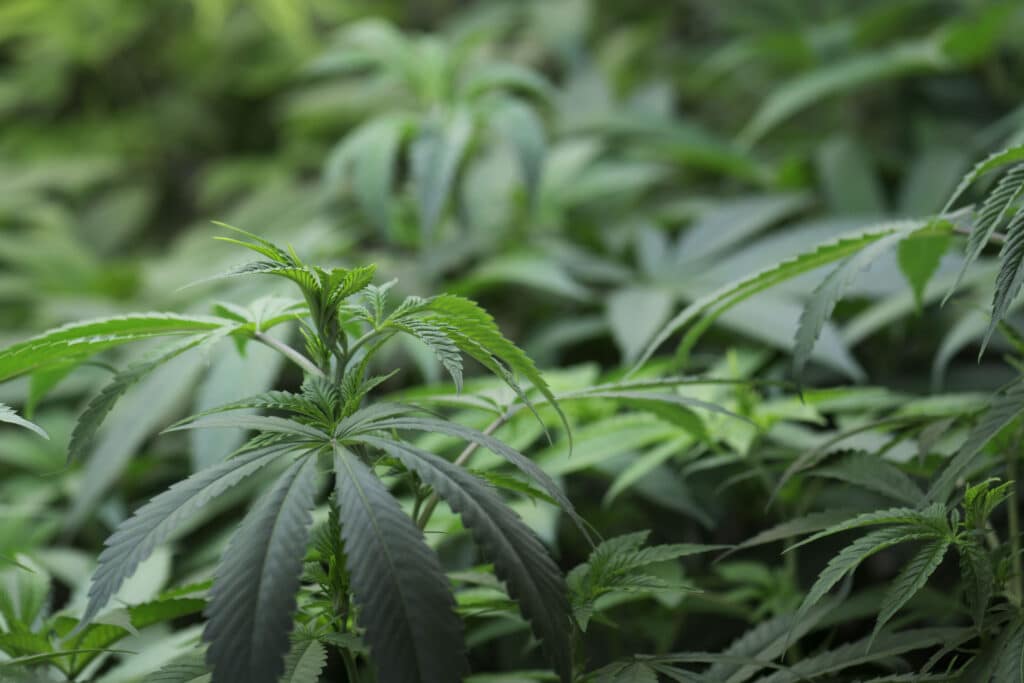
A lot of people don’t realize that the way a cannabis plant is grown can change its chemistry – and its effects.
Indoor-grown cannabis tends to have more consistent lighting and controlled environments, which can lead to higher THC content and specific terpene content. Outdoor-grown cannabis, exposed to natural sun and soil, may have more variation but often carries a broader spectrum of aromatic compounds.
Factors like soil nutrients, harvest time, drying and curing methods all impact how a strain will feel once it’s consumed.
Even two buds from the same hybrid strain can have different cannabinoid content and terpene profile depending on where and how they were grown. That’s why choosing the right strain isn’t just about the label, it’s about understanding the full picture.
Choosing the Right Strain for You
So how do you find the right strain? Start by thinking about what you want to feel—or what you need relief from.
Looking for help with:
- Chronic pain or muscle spasms? While the health benefits of cannabis remain uncertain, some consumers lean toward strains high in CBD and terpenes like myrcene.
- Sleep support? Some users prefer indica strains for their reported sedative effects and relaxing body sensations.
- Social energy? A sativa-dominant hybrid with limonene may be your best bet.
But don’t rely only on indica vs sativa labels. Read test results, ask about the terpene profile, and look for the cannabinoid profile that fits your needs. Whether you’re using cannabis for a medical condition or just for fun, understanding how each cannabis product works with your body is the real key.
The truth is, different strains affect everyone differently. That’s why it can take a little trial and error to find your match – but once you do, it’s worth it.
Final Thoughts from A Greener Today
At A Greener Today, we believe choosing the right strain starts with education. While labels like indica, sativa, and hybrid can guide you, they’re only one piece of the puzzle. Pay attention to terpene content, cannabinoid content, and how a cannabis product makes you feel.
Stop by one of our dispensaries or check out our menus online. Whether you’re after pain relief, recreational purposes, or support with a medical condition, we’re here to help you find your perfect match, strain by strain.
This content is for informational purposes only and is not intended as medical advice. Cannabis products can affect individuals differently and may interact with certain medications or health conditions. Always consult with your healthcare provider before starting or changing any cannabis use, especially if you have a medical condition or are taking prescription medications.