

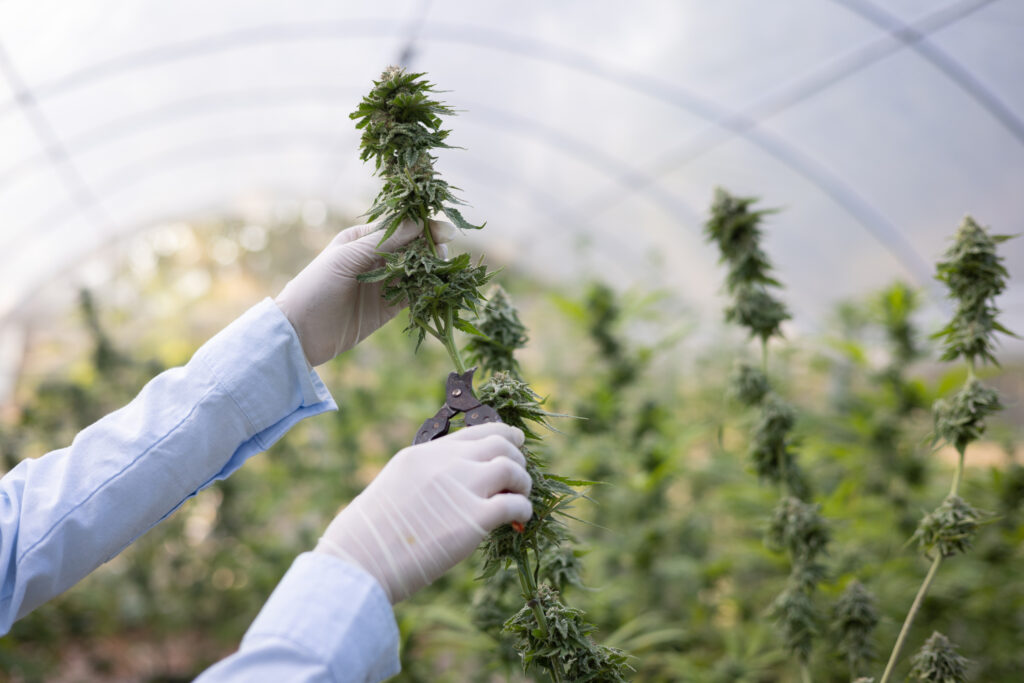
Delta 8, delta 9, and delta 10 are all forms of THC, the psychoactive compound found in the cannabis plant. While they sound similar, each one behaves a little differently in the body
They all interact with your body’s endocannabinoid system, a fancy way of saying the network that helps regulate things like mood, sleep, and pain, but because of slight differences in their chemical structures, their effects and legal status vary. Let’s unpack what sets them apart, where they come from, how they might make you feel, and what to consider if you’re thinking of trying one.
Breaking Down Delta-8, Delta-9, and Delta-10 THC
All three compounds: delta-8 THC, delta-9 THC, and delta-10 THC, come from the cannabis sativa plant, which includes both marijuana and hemp varieties.
Even though they share a common origin, these cannabinoids have unique traits thanks to their chemical makeup.
The Science
The key difference lies in the location of a double bond in their molecular structure: on the 8th, 9th, or 10th carbon chain, which is how they get their names. But that bond doesn’t just influence the name; it changes how each type of THC binds to your CB1 and CB2 receptors, which affects how intensely you feel the high.
- Delta-9 THC is the most abundant in marijuana and binds most strongly to CB1 receptors in the brain, delivering potent psychoactive effects.
- Delta-8 and Delta-10 THC are only found in trace amounts in cannabis plants, so they’re typically converted from hemp-derived CBD through a chemical process. This conversion has sparked debate over whether they’re truly “natural” or technically semi-synthetic cannabinoids.
How They’re Made
Delta-9 THC (or delta-9 tetrahydrocannabinol) is the most well-known and naturally abundant. It’s what most people are referring to when they talk about THC.
Delta-8 THC and delta-10 THC occur only in trace amounts in the plant, so they’re typically made from hemp-derived CBD through a chemical process.
Natural or Synthetic?
That process has sparked some debate around whether delta-8 and delta-10 should be considered natural or synthetic cannabinoids. While they’re made from hemp, they require lab intervention to isolate and convert them into a usable form.
Bottom line: All three are cannabinoids, but they vary in how they’re sourced, made, and how they interact with your body.
Important note for Washington State residents: Because delta-8 and delta-10 are created synthetically, they are illegal in Washington State.
How the Effects & Benefits Compare: Delta 8 vs Delta 9 vs Delta 10

Not all highs are created equal. While these three versions of THC share some similarities, their psychoactive effects differ enough to make each one better suited for different experiences.
Delta-9 THC: Classic, Potent, and Widely Studied
- Potency: Strongest of the three.
- Effects: Full-body high, euphoria, heightened sensory perception.
- Uses: Often chosen for chronic pain, nausea, and appetite stimulation. It’s also found in some FDA-approved medications.
- Drawbacks: Can cause anxiety, paranoia, or mental fog in some users.
- Best for: Experienced users looking for strong symptom relief or a powerful high.
Delta-8 THC: Smooth and Mellow
- Potency: Less intense than delta-9.
- Effects: Gentle body relaxation, reduced anxiety, clearer headspace.
- Uses: Popular for stress relief, light pain management, and better sleep without feeling overwhelmed.
- Best for: Beginners, or those sensitive to strong THC effects.
Delta-10 THC: Light and Energetic
- Potency: Mildest of the three.
- Effects: More cerebral than physical—offers a boost in mood, focus, and energy.
- Uses: Anecdotally used for creative work, daytime activities, and staying productive.
- Best for: Users seeking a subtle mental lift without sedation.
Legal Status and Safety Concerns

Now that you’ve got a feel for what each one does, it’s time to talk about the fine print: Is it legal? And is it safe?
Delta-9 THC: State-Legal, Federally Restricted
Delta-9 THC is still considered a controlled substance at the federal level in the U.S., which makes it illegal in states that haven’t passed medical or recreational cannabis laws. That said, in states where it is legal, it’s strictly regulated for safety, potency, and testing.
Delta-8 and Delta-10: Legal Loopholes and State Bans
Thanks to the 2018 Farm Bill, hemp-derived products, including delta-8 and delta-10 THC, are technically legal at the federal level if they contain less than 0.3% delta-9 THC. But federal legality doesn’t mean they’re legal everywhere.
Many states have created their own regulations, with several choosing to ban delta-8 and/or delta-10 entirely due to concerns around unregulated production, lack of testing standards, and potential health risks.
Washington State is one of those states. Both delta-8 THC and delta-10 THC are illegal in Washington, regardless of their hemp origin.
Safety Concerns With Lab-Made THC
These cannabinoids aren’t inherently unsafe, but it’s important to buy from reputable companies that use third-party testing. With any synthetic cannabinoid, transparency and lab results matter.
Because delta-8 THC and delta-10 THC are created through a chemical process, quality varies widely between products. If you’re buying from convenience stores or sketchy websites, there’s a real risk of heavy metals, residual solvents, or mislabeled potency.
Bottom line: Legal status depends on where you live, and safety depends on where you shop. If it’s not regulated by your state, it’s up to you to be an informed consumer.
Which Delta Is Right for You?
By now, you’ve got a solid handle on the differences between delta-8, delta-9, and delta-10. So – how do you choose?
Start with your goal. Are you looking to unwind after work? Get some sleep? Ease ongoing pain? Boost your mood during the day? Each delta has a different vibe, and the best choice depends on what you’re hoping to get out of the experience.
Here’s a quick cheat sheet:
- Delta-9 Products: Best for experienced users looking for strong effects, pain relief, or alleviation of chronic symptoms.
- Delta-8 Products: Great for a gentler, more functional high with fewer mental side effects.
- Delta-10 Products: A go-to for daytime energy and light mood support.
Just make sure to check your state laws, buy from a source that prioritizes testing and transparency, and listen to your body. Everyone reacts a little differently, so finding your sweet spot may take a little experimenting.
At A Greener Today, we carry a curated selection of hemp-derived and state-legal cannabis products, including trusted delta-9 THC products to match whatever you’re looking for – relaxation, relief, or a little lift.
Still not sure where to start? Swing by one of our shops or reach out online. We’re here to answer questions, make suggestions, and help you find a cannabis experience that actually works for you.
Note: We do not sell delta-8 or delta-10 THC, as these are prohibited in Washington State.